

Northeast India: a land of lush vegetation, extreme monsoons and stupendous fauna. There are countless parks, sanctuaries and reserves to visit in the Northeast. Not only is the geography breathtaking, but these sites help save endangered animal-plant species from extinction.
Of course, we’ve all heard of Kaziranga National Park. But did you know of Manipur’s floating island park? Or Arunachal’s Himalayan sanctuary? Check out the five most underrated national parks below. We highly recommend you add them to your bucket list for 2023, when you visit the NE!
Manas National Park, Assam
Manas National Park is many things in one: a national park, biosphere reserve, an elephant and tiger reservoir…


Taking its name from the river Manas that acts as the boundary between Bhutan and India, the vast park has a diverse range of flora. It has grasslands, forests, semi-evergreen trees and Himalayan trees.

More impressively, there are almost 500 species of mammals, birds and reptiles. You can catch a glimpse of the Indian rhino, “barking” deer, leopard, jungle cat, and other intriguing creatures.
Eaglenest Wildlife Sanctuary, Arunachal Pradesh
A spectacular fact about Eaglenest is that depending on where you are, the altitude can be 50 metres or 3,250 metres!


Lying at the Himalayan foothills, Eaglenest houses interesting mammals like the endangered langur, red panda, marbled cat, and the native macaque monkey.
Birds like woodpecker, eagle and vulture find a home here, as do many butterfly species.

It’s a fantastic geographical location as it lies within close distance of other sites: the Sessa Orchid Sanctuary in the northeast, and the Pakhui Tiger Reserve in the east across river Kameng.
Keibul Lamjao National Park, Manipur
Keibul Lamjao is in south-central Manipur. The national park’s identity is strongly connected to Lake Loktak.


A remarkable feature of this lake is the “phumdi”, which are floating islands formed by decomposed plant matter and soil. They make Keibul Lamjao the only floating park in the world!

The phumdi is an essential object for villagers to make huts, and the deer to consume. Due to their strong link to seasonal rains, these floating islands are in a constant process of expansion and reduction…. never staying in one place or in one size.
Ntangki National Park, Nagaland
Ntangki was given national park status in 1993. But its history goes way back.


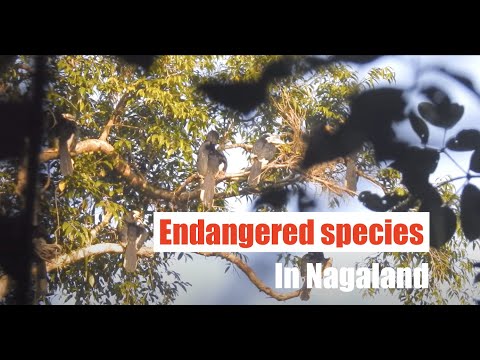
In 1923, it was established as a reserved forest. Also known as Intanki National Park, this rainforest area has mountains, cliffs and valleys that one can hike or camp in. You can spot gibbons, sloth bears, wild dogs, and flying squirrels among others. Trees like the mahogany, bamboo and palms are also found in this naturally beautiful haven.
Dampa Tiger Reserve, Mizoram
A part of Project Tiger, this tiger reserve in western Mizoram is in the Lushai hills.

Topographical delights abound as the visitor is met with deep valleys, rainy hills, jungle streams, and natural salt deposits which animals regularly visit to lick. Some of the most stunning and colourful birds flock here, such as the Asian fairy bluebird.

Dear Reader,
Every day, our team at EastMojo travels through rain, rough roads, and remote hills to bring you stories that matter – stories from your town, your people, your Northeast.
We do this because we believe in truthful, independent journalism. No big corporate backing, no government pressure – just honest reporting by local journalists who live and breathe the same air you do.
But to keep doing this work, we need you. Your small contribution helps us pay our reporters fairly, reach places others ignore, and keep asking the tough questions.
If you believe the Northeast deserves its own fearless voice, stand with us.
Support independent journalism. Be a Member.
Thank you,
Karma Paljor
Editor-in-Chief, eastmojo.com


Also Read | Assam Police constable shot dead by colleague in Charaideo