

Guwahati: Assam’s Nambor Wildlife Sanctuary, a biodiversity hotspot home to elephants, primates, and numerous rare species, is witnessing a steady decline in green cover, according to a new geospatial study.
The research shows a sharp reduction in vegetation and a corresponding rise in barren land across its buffer zone over the last three decades, raising concerns about habitat loss and ecological degradation.
The analysis reveals that vegetation in the sanctuary’s 5-km buffer zone has decreased by over 8,500 acres since 1989, while barren land has increased by nearly 5,000 acres in the same period.
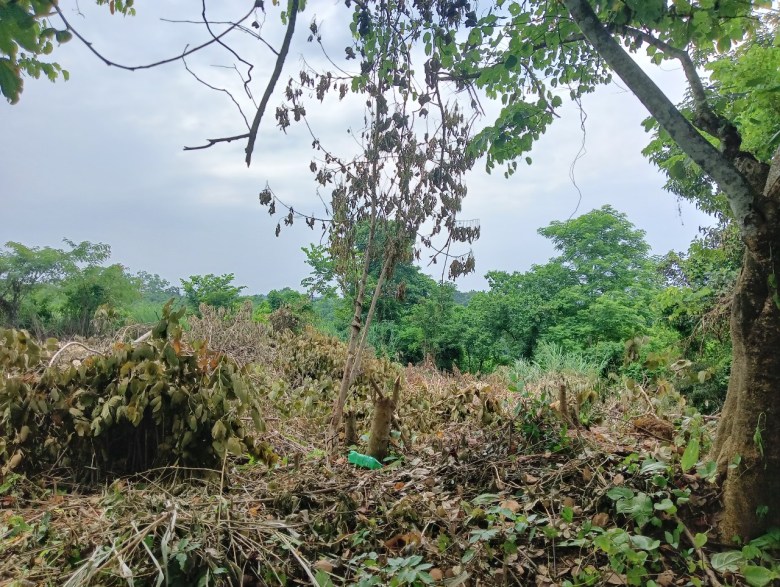
The study, carried out by scientists from Assam University, the Assam State Space Application Centre, and Mangaldai College, used satellite imagery spanning 1989 to 2021 to track changes in land use and land cover. It was published in the journal Discover Geoscience.
According to the findings, vegetation cover in the buffer zone dropped from 47.57% in 1989 to just 36.45% in 2021—a net loss exceeding 8,500 acres. Over the same period, barren land rose from 25.97% to 32.23%, reflecting a surge of nearly 5,000 acres.

The Nambor Wildlife Sanctuary was officially designated by the Assam government on July 27, 2000. It is located in the Silonijan Civil Circle of Bokajan Sub-Division under the Karbi Anglong East Forest Division, Diphu, within Karbi Anglong District, and falls under the Karbi Anglong Autonomous Council. Its northern boundary lies adjacent to the western and southern edges of Garampani Wildlife Sanctuary and stretches to the Dhansiri River.
“The geospatial analysis reveals substantial transformations driven by both environmental pressures and developmental activities,” the authors write, warning that these changes pose “serious threats to biodiversity and ecological stability.”
The study also found that agricultural land fluctuated over the years but recorded a net increase of 1,737 acres. Built-up areas, including settlements and infrastructure, expanded from 8.98% to 10.85%. The period between 2001 and 2011 witnessed the most significant changes, with a sharp spike in barren and built-up areas alongside steep vegetation loss.
Researchers emphasise that the buffer zone, which acts as a critical protective layer for the sanctuary’s ecological health, is increasingly under pressure from human activities. They call for urgent interventions to restore and safeguard the habitat. “Effective implementation will require active collaboration among policymakers, conservationists, and local communities to ensure the long-term ecological health of the Nambor Wildlife Sanctuary buffer zone,” the study stresses.
“These changes are not just numbers. They represent shrinking habitats and fragmented corridors for wildlife, especially elephants and primates that depend on large, continuous forests,” said lead author Parag Jyoti Kashyap.
The authors further highlight the study’s significance, noting that it provides rare long-term data for Northeast India. “The findings suggest an urgent need to strengthen buffer zone management, tighten local land-use regulations, and launch eco-friendly afforestation initiatives to protect wildlife and restore the environment,” the study says.
Although some stability was noted in areas of unchanged land cover and there was modest growth in water bodies, the overall trend points to shrinking forests and increasing habitat fragmentation. The researchers conclude that the findings underscore the need for conservation-driven land management strategies that balance development needs with ecological preservation.
Also Read: A Himalayan warning: As hundreds die, IMI calls for mountain-centric development

You just read a story that took days to report. Help us keep our reporters on the ground in the Northeast.
Ad-free reading, support and keep important stories alive
Support once (any amount)

Scan to pay via UPI